

9 Brilliant Decking Ideas for Small Backyard Spaces in 2026
Designing a deck for a small backyard in 2026 brings both challenges and rewards. Many homeowners want more from their outdoor spaces, even when yard size is limited. The right approach can turn tight quarters into a functional retreat.
This article explores decking ideas for small backyard projects, focusing on what works in real life. We look at how real wood, stone, and steel create lasting value and beauty. You will find nine practical solutions, each tailored to compact spaces.
Whether you seek a quiet spot to relax or a place to entertain, these ideas can help you build a deck that truly fits your needs.
Design Principles for Small Backyard Decks
Designing a deck for a small backyard is about making smart choices, not just squeezing in a platform. The best decking ideas for small backyard spaces come from understanding how scale, materials, and surroundings work together. Let's break down the key principles that guide a deck build when every square foot counts.
Understanding Scale and Proportion
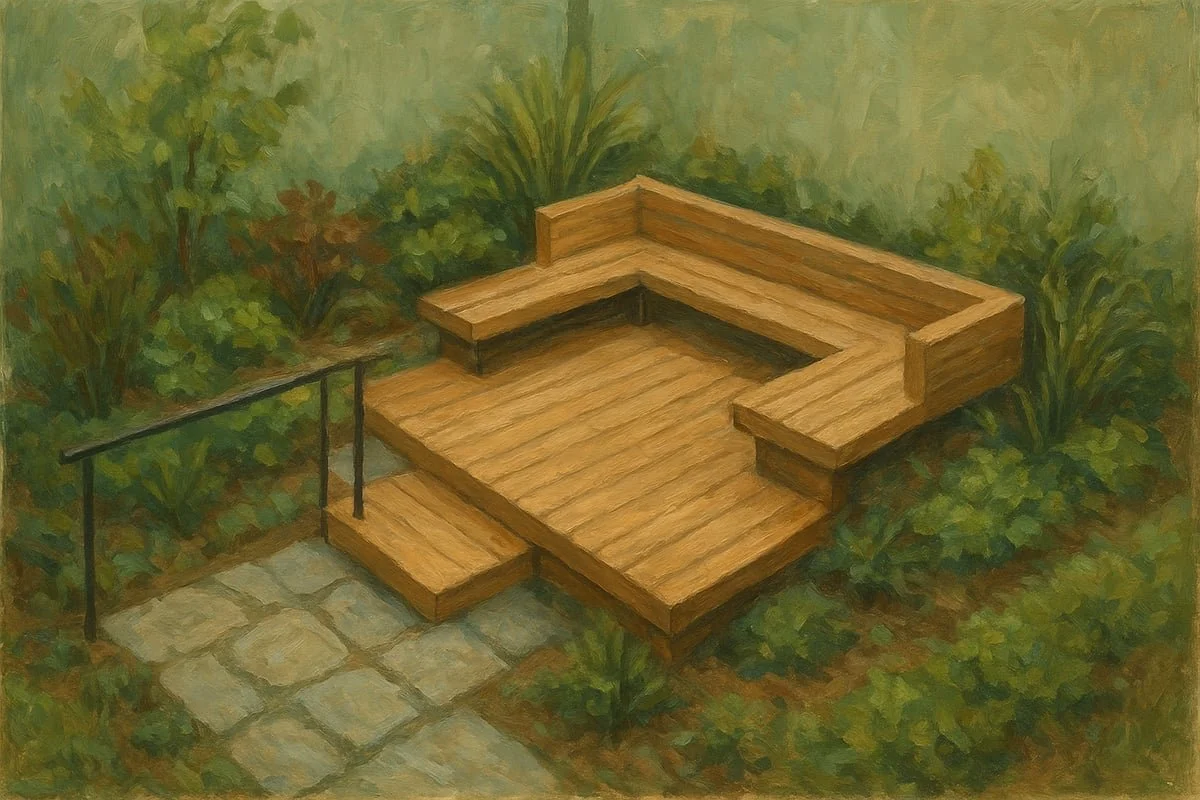
Scale is the backbone of effective decking ideas for small backyard environments. If the deck is too large, it swallows the yard, making the space feel cramped. Too small, and it's not practical for daily use.
A well-proportioned deck should echo the yard's dimensions. For example, in a 20x20 foot backyard, a 10x12 foot deck leaves breathing room for landscaping and movement. Use built-in planters or benches to define edges, rather than bulky railings, to keep things open.
Pairing the right size with clean lines maximizes usable space and keeps the design grounded. For more guidance, see these Deck design strategies.
Material Selection: Wood, Stone, and Steel
Choosing the right materials is crucial for long-lasting decking ideas for small backyard projects. Real wood, like cedar, Douglas fir, or ipe, brings warmth, character, and ages gracefully. Steel adds strength, while stone provides texture and a natural touch.
Here's a quick comparison:
MaterialProsConsCedar/IpeDurable, natural, beautifulNeeds sealing, periodic upkeepSteelStrong, slim profilesCan rust, needs treatmentStoneTimeless, low maintenanceHeavy, higher upfront costCompositeLow maintenanceLooks artificial, can overheat
Composites and plastics might seem easy, but they often feel out of place in small yards, can warp, and get hot in direct sun. Real materials require care, but the payoff is a deck that improves with age.
Integrating with Existing Landscape
The most successful decking ideas for small backyard spaces consider the entire setting, not just the deck. Use native plants and local stone to blur the lines between built and natural. Built-in planters at deck edges soften transitions and support pollinators.
Small elevation changes—like a single step or sunken lounge—add interest without breaking up flow. Decks that complement the landscape can boost property value and make the space feel much larger.
Think about how your deck frames views, captures breezes, and connects to garden beds. Integration is key for a cohesive, lasting result.
Maximizing Functionality in Limited Spaces
Every inch counts in decking ideas for small backyard projects. Multi-use features, like benches with storage or privacy screens that double as trellises, keep clutter to a minimum.
Flexible layouts let you switch between dining, lounging, and gardening. For instance, a 200 square foot yard can support a small deck with built-in seating, a fold-down table, and hidden storage for cushions and tools.
Choosing features that serve more than one purpose means your deck will adapt to changing needs over the years. Smart design here leads to a backyard that feels bigger, more comfortable, and easier to maintain.
9 Brilliant Decking Ideas for Small Backyard Spaces in 2026
Designing a deck in a small backyard is both a challenge and an opportunity. With thoughtful planning, you can maximize every square foot and create a space that feels larger than it is. Here are nine practical and inspiring decking ideas for small backyard projects, each tailored for 2026 and focused on real wood, stone, and steel solutions. These approaches blend function, style, and durability, making them ideal for homeowners who want lasting value.
1. Multi-Level Platforms for Visual Interest
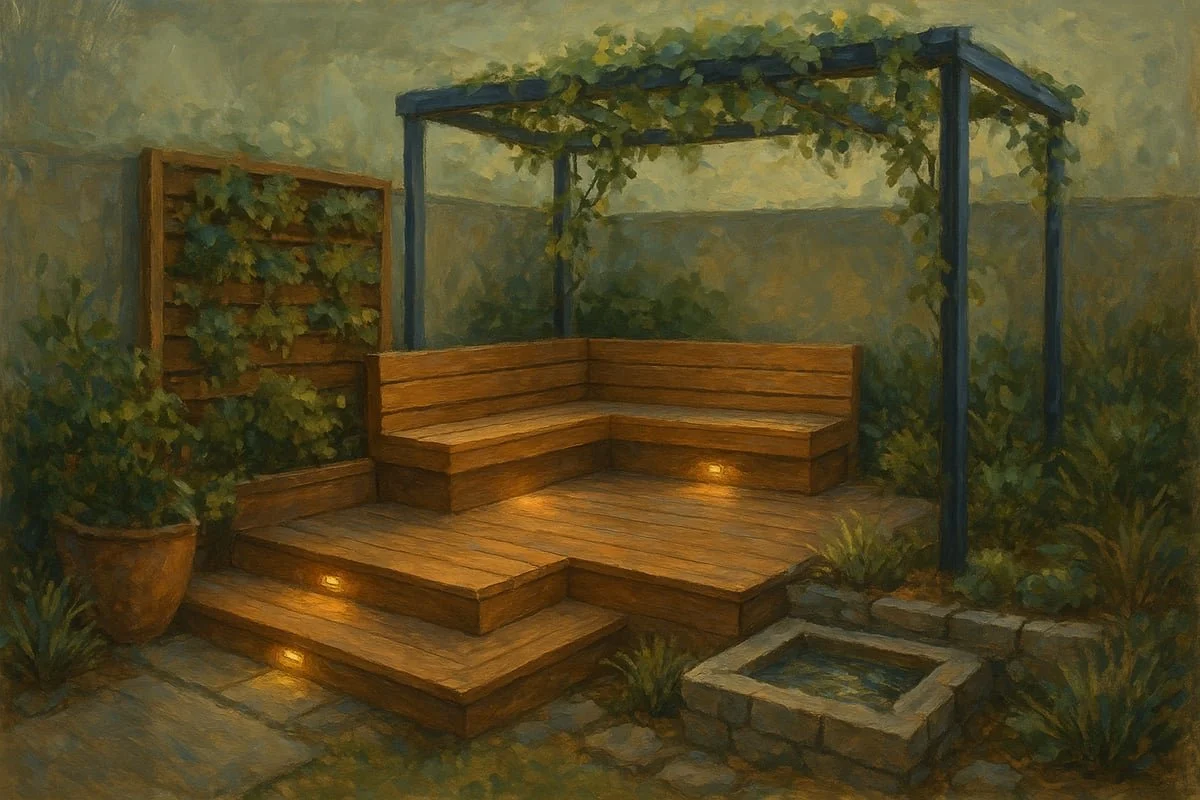
Multi-level decks bring a sense of depth and separation to tight spaces. By staggering platforms just a step or two apart, you can define zones for dining, lounging, or gardening without using bulky dividers. In small yards, this is an effective way to create the illusion of more space.
Choose dense woods such as ipe or Douglas fir for structural integrity. These materials hold up well under load and resist warping. For example, a sunken lounge area with a raised dining nook can transform a cramped footprint into a dynamic outdoor room. Integrate steps carefully, using wide treads and low risers to maintain safety and comfort.
Railing requirements depend on the height difference. For most small backyard decks, a low-profile steel or wood rail is enough. Maintenance is straightforward: regular cleaning and annual sealing keep wood platforms looking sharp. Expect a slightly higher build cost and timeline due to the framing needed, but the payoff is a backyard that feels custom and spacious.
If you want more inspiration for multi-level layouts and real-world examples, check out Small Deck Design Ideas for practical, buildable solutions.
2. Built-In Benches and Storage Solutions
Built-in seating is a go-to for maximizing every inch of a compact deck. Instead of cluttering the space with free-standing furniture, integrate benches along the perimeter or under railings. This keeps the main area open and flexible.
Storage benches are especially valuable. Conceal outdoor cushions, tools, or garden gear beneath hinged seats. Match the bench wood to your deck for a cohesive look—cedar and Douglas fir are top choices for their resilience and easy maintenance. Modern renovations often feature floating benches with hidden drainage, ensuring water does not get trapped.
Weatherproofing is critical. Use stainless steel fasteners and apply a penetrating sealant to all surfaces. Built-in features save up to 30% of usable space compared to stand-alone units, according to recent design data. The main downside is less flexibility if you want to rearrange, but the gain in storage and openness usually outweighs this.
3. Vertical Gardens and Green Privacy Screens
Vertical gardening is a powerful tool for transforming tight decks. By growing up rather than out, you can add lush greenery, boost privacy, and soften hard edges. Trellises, living walls, and steel planter frames are all viable solutions for small spaces.
A cedar privacy screen with integrated planter boxes is a popular choice. It brings color and texture year-round, especially when planted with evergreen vines or ornamental grasses. Steel frames add durability and a modern touch, while wood blends naturally into most landscapes.
Plant selection matters. Choose species that thrive in your climate and require minimal upkeep, such as ferns, succulents, or native perennials. Living walls need periodic watering and occasional pruning, but the benefits—better air quality and reduced noise—make it worthwhile. Vertical elements also give your deck a sense of enclosure without crowding the floor plan.
4. Floating Decks for Flexible Placement
A floating deck is built on grade, resting on concrete piers or deck blocks rather than deep footings. This makes it ideal for small backyards, especially where soil conditions or existing landscaping present challenges. Floating decks can be positioned almost anywhere, even over uneven ground.
Pressure-treated wood, ipe, and cedar are the best materials for these structures. They resist rot and provide the strength needed for a stable platform. Anchoring is essential—use ground anchors or tie-downs to prevent shifting.
Benefits include minimal site disruption and the option to relocate or expand the deck later. Drawbacks? Floating decks typically have a shorter lifespan than fixed structures, especially in areas with freeze-thaw cycles. Still, for many homeowners, the ability to quickly add usable space outweighs the trade-offs.
5. Integrated Outdoor Kitchens and Grilling Stations
A small deck does not mean you have to skip outdoor cooking. Integrated kitchens and grilling stations can be built into the deck’s footprint, using stone and steel for surfaces that handle heat and weather. Compact layouts often feature a built-in grill, a stone countertop, and under-counter storage.
Design the kitchen to minimize clutter. Use drawers and cabinets for utensils and supplies. A wood prep area, sealed with a food-safe finish, adds warmth and function. Ventilation is crucial—ensure grills are placed for safe airflow, and use steel or stone surrounds to protect wood elements.
Weatherproof appliances and stainless steel fixtures are worth the investment. Costs for a small-scale outdoor kitchen range from $3,000 to $8,000, depending on materials and features. With careful planning, you can enjoy full cooking capability without sacrificing valuable deck space.
6. Pergolas and Shade Structures for Comfort
Shade is essential for comfort, especially on compact decks exposed to direct sun. Pergolas and overhead structures provide relief while adding architectural interest. Wood pergolas, made from cedar or Douglas fir, offer natural beauty and long life when maintained properly.
Climbing plants like wisteria or jasmine can be trained over the frame for natural cooling. For a modern twist, steel-topped pergolas with retractable shades deliver flexibility and durability. Anchoring is straightforward—use heavy steel brackets or post bases set into concrete pads.
Maintenance varies by material. Wood needs annual sealing, while steel requires periodic inspection for rust. Studies show shaded decks are used up to 50% more often in hot climates, making this an upgrade worth considering for usability and enjoyment.
7. Seamless Indoor-Outdoor Transitions
Connecting your deck directly to the home’s interior makes the backyard feel like an extension of your living space. Level thresholds and wide sliding or folding glass doors create a smooth flow. Use the same or similar wood species for both indoor flooring and deck planks to unify the look.
Lighting is key. Install low-voltage fixtures along the transition zone to guide movement and highlight the change in space. Weatherproofing is a must—ensure doors are properly flashed and thresholds drain away from the house.
Seamless transitions improve accessibility for all ages and can increase home value. They also make daily use more convenient, encouraging you to spend more time outdoors.
8. Small Deck Water Features
Water elements, such as fountains, reflecting pools, or spa tubs, add tranquility and a sense of luxury to small decks. The key is choosing features that fit the scale of the space. Stone basins, steel spillways, and cedar surrounds are all durable options that complement natural materials.
One popular approach is a corner plunge pool or a narrow trough fountain set into the decking. These features bring movement and relaxing sound, masking urban noise and enhancing privacy.
Water management is critical. Design for proper drainage and use slip-resistant materials around wet areas. For families, safety is paramount—add locking covers or install shallow features. Installation costs vary widely, but even modest water features can make a big impact in a compact yard.
9. Lighting Solutions for Ambiance and Safety
Thoughtful lighting extends the usability of your deck well into the evening. Layered lighting—using path lights, step lights, and overhead fixtures—creates both ambiance and safety. For wood and stone decks, choose fixtures rated for outdoor use and designed to blend with natural materials.
Integrated LED strips under benches or along railings add subtle glow without cluttering the design. Solar options are great for small spaces where wiring access is limited, while wired systems offer more control and reliability.
Safety codes require illumination for steps and changes in elevation. Proper placement enhances curb appeal and boosts security. LED lighting is energy efficient, using up to 80% less electricity than traditional options, so you can light your deck without worry.
Maintenance and Longevity: Keeping Small Decks Beautiful
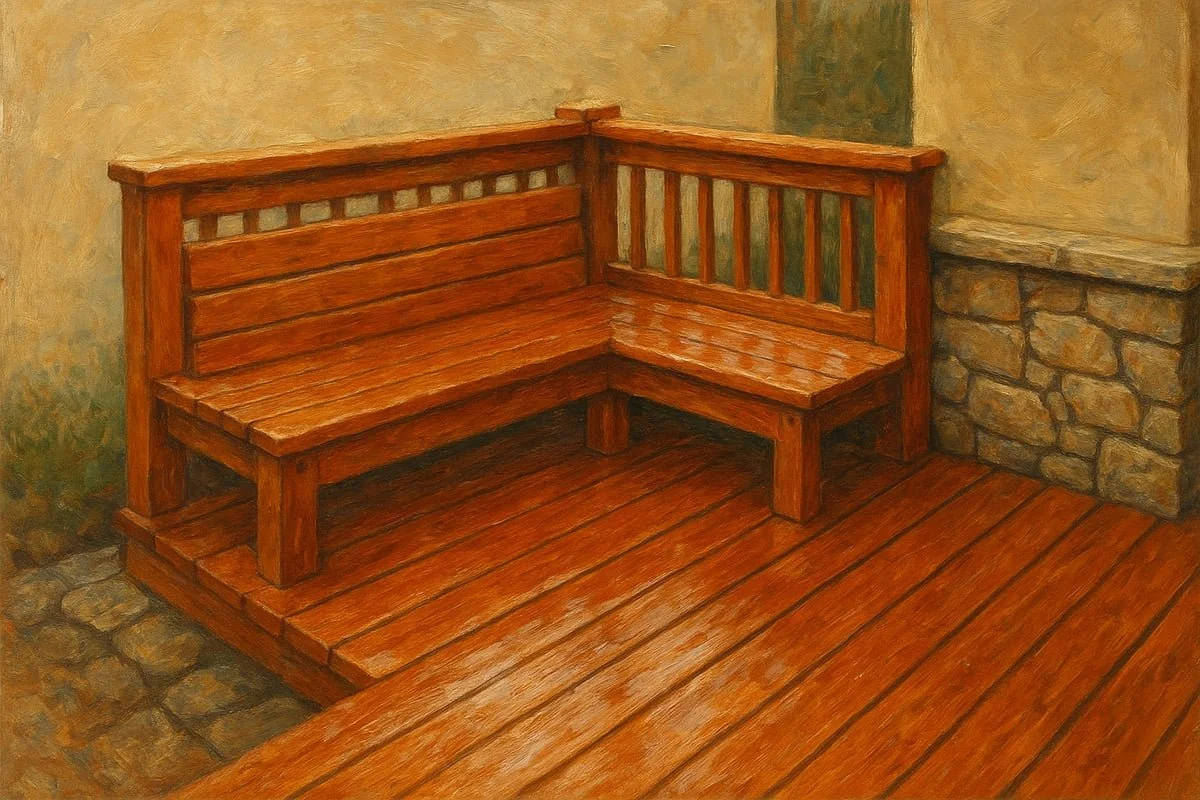
Proper care is what keeps decking ideas for small backyard projects looking sharp year after year. In compact spaces, every board and stone gets attention, so maintenance is not just about appearance but about protecting your investment. Let’s break down what it takes to keep small decks built from real wood, stone, and steel in top shape.
Protecting Wood and Stone from the Elements
Wood and stone decks need regular protection to withstand sun, rain, and temperature swings. For wood, choose a penetrating sealant or natural oil finish based on species. Cedar and ipe, for example, hold up well with annual oiling or biannual clear sealants. Stone surfaces, such as granite or limestone, benefit from breathable sealers that repel moisture but let the stone breathe.
Clean surfaces thoroughly before applying any product. Pay special attention to edges and joints where water can collect. Compared to composites, real wood may require more attention, but the payoff is a surface that ages gracefully. For more detail on why real materials last and look better over time, see Real wood deck benefits. Protecting your investment is the first step in long-lasting decking ideas for small backyard spaces.
Seasonal Care Checklist
A regular maintenance routine prevents small issues from turning into big repairs. Each spring, inspect your deck for loose fasteners, cracked boards, or shifting stones. Sweep debris and wash surfaces with a gentle wood or stone cleaner. In autumn, check for water pooling, clean out built-in planters, and trim back any vegetation touching the deck.
Before winter, ensure that drainage paths are clear and that steel elements are rust-free. If you notice early signs of wear, address them before the cold sets in. A simple checklist helps keep your decking ideas for small backyard projects in prime condition all year.
Addressing Wear and Tear in High-Use Spaces
Smaller decks see more concentrated foot traffic, so scratches and sun fading are common. Sand out light scratches in wood and reapply finish as needed. For deeper gouges or split boards, replacement is the best fix. Stone may develop stains—use a pH-neutral cleaner and reseal if necessary.
If your deck is a gathering spot, check high-traffic zones often. Built-in benches and planters can be refinished to match the deck, keeping the whole space cohesive. Updating finishes every couple of years keeps decking ideas for small backyard areas looking fresh and inviting.
Cost of Ownership: Realistic Expectations
Real wood and stone decks come with maintenance costs, but they offer long-term value. Annual upkeep for a small wood deck averages $1–$2 per square foot, covering cleaning, sealing, and minor repairs. Stone costs less to maintain, though sealing is still important.
Composites promise less maintenance, but can fade, stain, and feel plastic underfoot, which is why BigDecks recommends natural materials. For a breakdown of maintenance costs and the realities of synthetic options, see Eco-Friendly Decking Materials. Budgeting for routine care keeps your decking ideas for small backyard spaces beautiful for decades.
Trends and Innovations in Small Deck Design for 2026
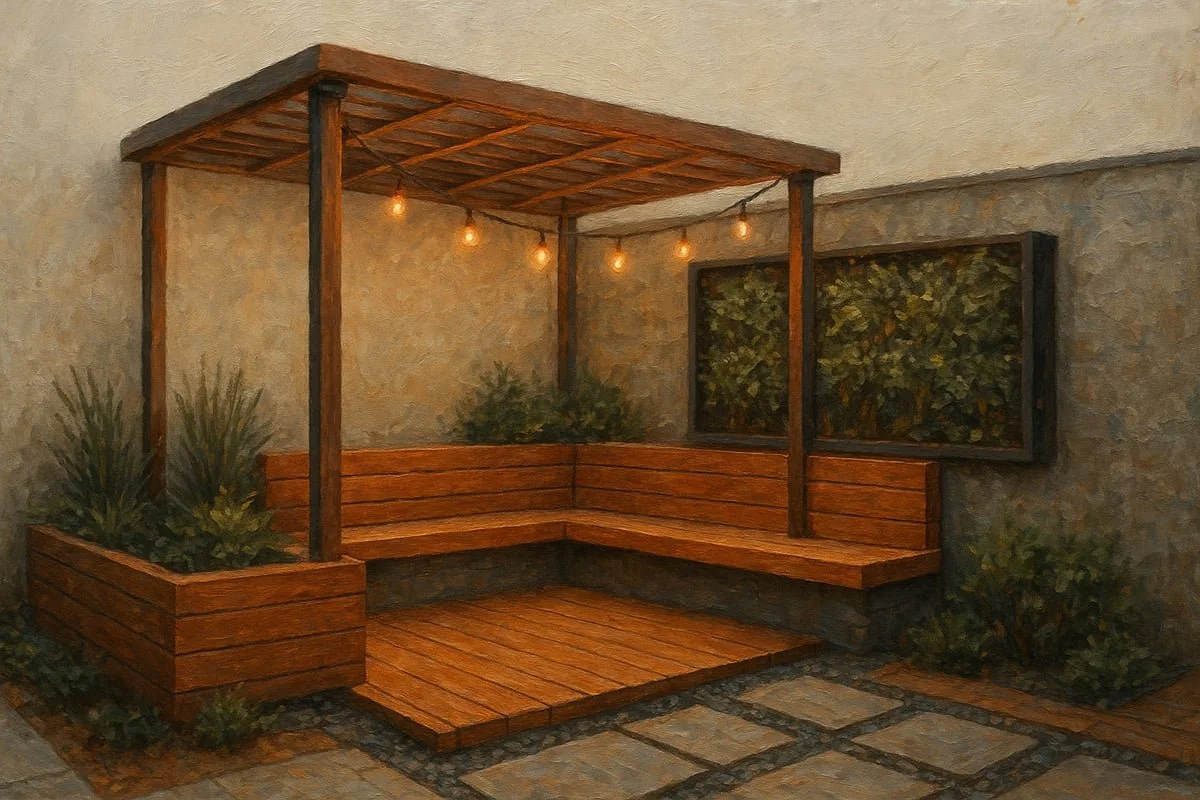
Staying ahead of the curve matters when planning decking ideas for small backyard projects. In 2026, smart material choices, technology, and custom solutions are shaping the way we build and enjoy compact decks. Let’s break down what’s new, what works, and what to watch for in the year ahead.
Sustainable Material Advancements
Sustainability is more than a buzzword for decking ideas for small backyard spaces. Thermally modified woods, like heat-treated ash or pine, are rising in popularity. These woods resist rot and insects without harsh chemicals, making them ideal for tight yards where every board counts.
Choosing local, FSC-certified lumber reduces environmental impact and often means better durability. Real wood weathers naturally, blending beautifully with plantings and stone. Synthetic decking, though common, can look out of place and trap heat in small areas. For more on the natural material trend, see Warm Minimalism in Garden Design.
Smart Technology Integration
Technology has found its way into decking ideas for small backyard projects. Homeowners now want decks that work harder. App-controlled LED lighting allows you to set the mood or light the way for safety. Integrated irrigation systems keep planters thriving, while weather sensors can trigger retractable shades or covers, protecting materials from sun and rain.
Some builders are experimenting with discreet power outlets and wireless charging pads for outdoor work or entertainment. These features make a small space more functional without clutter.
Customization and Prefabrication
Customization and modular prefabrication are changing how we approach decking ideas for small backyard designs. Modular deck kits let you add, remove, or rearrange sections as your needs change. This flexibility suits homeowners who want to experiment or plan for future upgrades.
Custom metalwork and carpentry allow you to maximize every inch, fitting benches and planters into awkward corners. Prefab kits save on installation time but may limit layout options. Here’s a quick comparison:
FeaturePrefab KitsCustom BuildsFlexibilityModerateHighCostLowerHigherInstallationFastModerateUniquenessLowHigh
Design Inspirations from Real Projects
Nothing brings decking ideas for small backyard spaces to life like real-world examples. Award-winning designers are leading the way with compact decks that blend wood, stone, and steel. Common themes include built-in planters, multi-level platforms, and seamless transitions to the home.
Before-and-after photos show how even a 150-square-foot deck can become a functional retreat. Homeowners praise features like easy-care finishes and smart lighting. For a deeper look at what’s coming in 2026, review the Deck Design Trends for 2026.